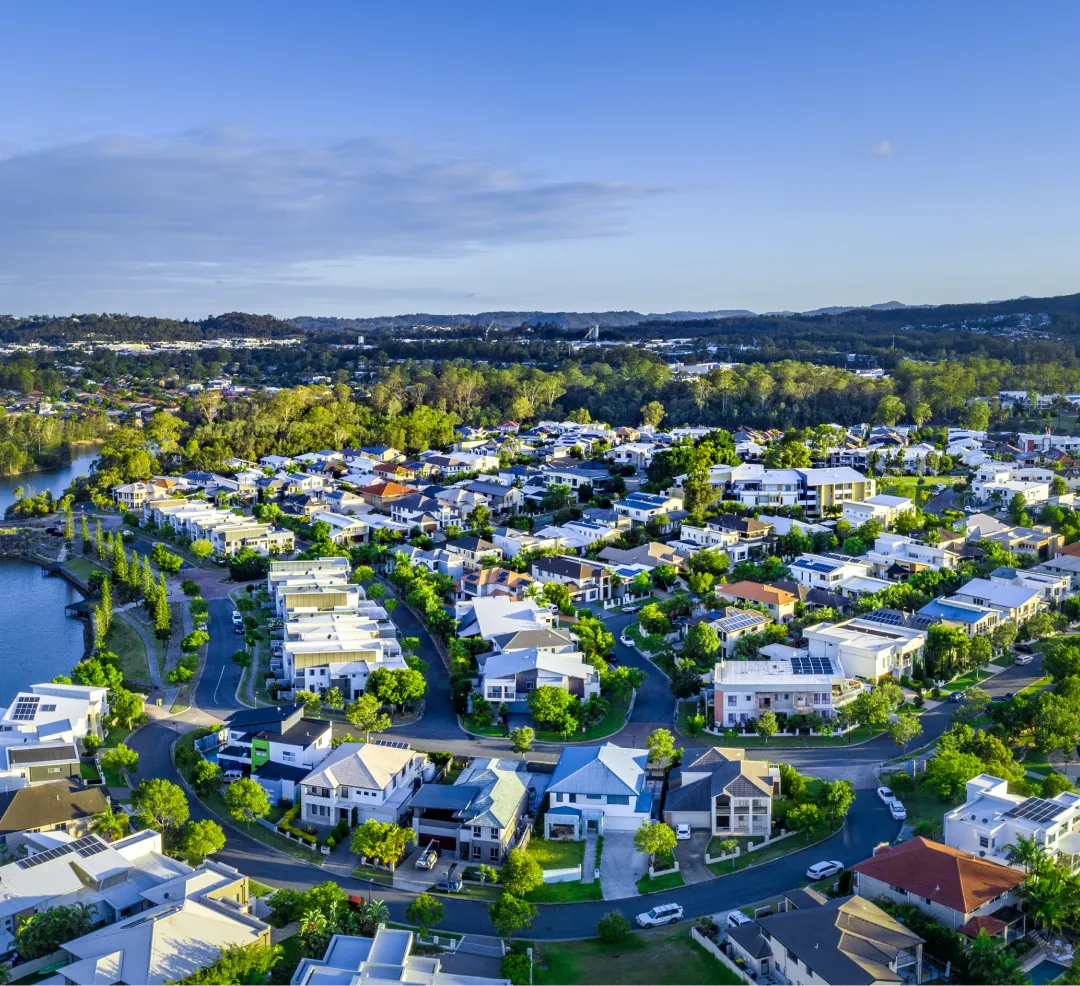
Residential energy efficiency
A national plan to empower consumers with energy ratings for homes, promoting efficiency and affordability.
Overview
The Home Energy Ratings Disclosure Framework, developed by the Australian and state and territory governments sets out a national approach to and disclosing the energy performance of residential homes. The goal is to make homes more energy-efficient, comfortable, and affordable.
These documents are the next step to implementing home energy rating disclosure schemes. Providing a home's energy performance rating at the point of sale or lease will help Australians. They will be able to choose a more comfortable and energy-efficient home that is cheaper to run.
The framework's core objectives are to:
- Empower consumers with a single, national rating for a home's energy performance.
- Create a market that values better-performing homes, which can lead to upgrades.
- Encourage consistency and harmonisation across states and territories.
The Nationwide House Energy Rating Scheme (NatHERS) is the preferred rating scheme for the framework. NatHERS is being expanded to provide ratings and upgrade advice for existing homes, in addition to new builds
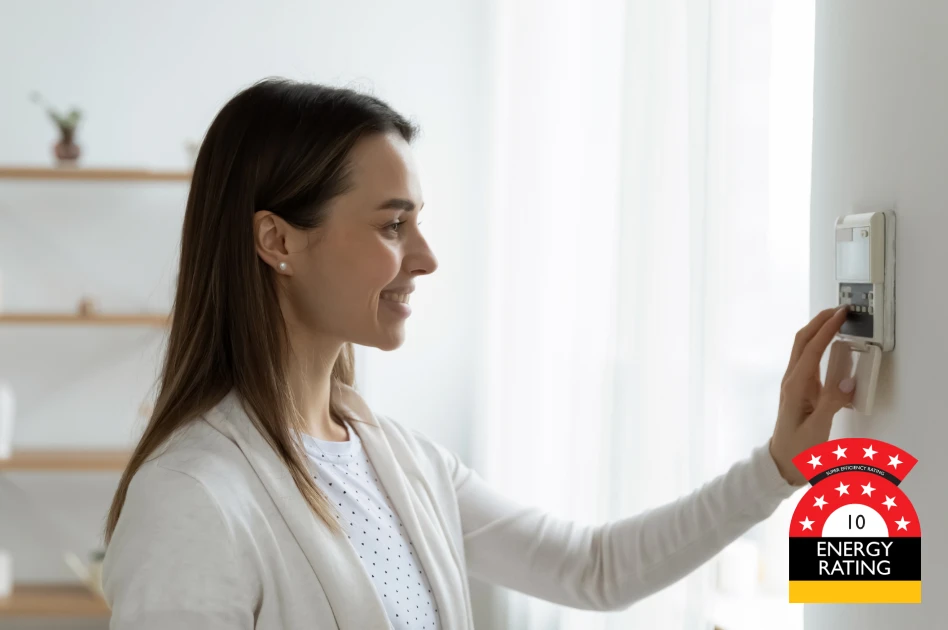

REIA advocacy
Real estate agents are the stewards of the built environment.
Alongside all tiers of government, the real estate sector has an integral role to play in driving the widespread adoption of energy-efficient homes across the nation's housing stock, while supporting affordability, job creation and economic growth.
To strengthen this role, real estate agents need training and resources that equip them to advise clients on energy performance, retrofit options, and disclosure requirements. By doing so, they can confidently guide consumers toward more sustainable housing choices while highlighting the financial and health benefits of energy-efficient properties.
REIA's policy on transitioning to energy-efficient, resilient, and sustainable homes can be viewed here.
Building sustainable homes for a NetZero future
With residential homes contributing approximately 24% of overall electricity use and around 11% of greenhouse gas emissions in Australia, improving the energy efficiency of homes is critical to achieving the nation's NetZero targets and ensuring our homes are safe, comfortable and livable.
The Real Estate Institute of Australia advocates for a coordinated national approach to accelerate the transition to higher energy efficiency, greater resilience, and sustainability across the built environment.
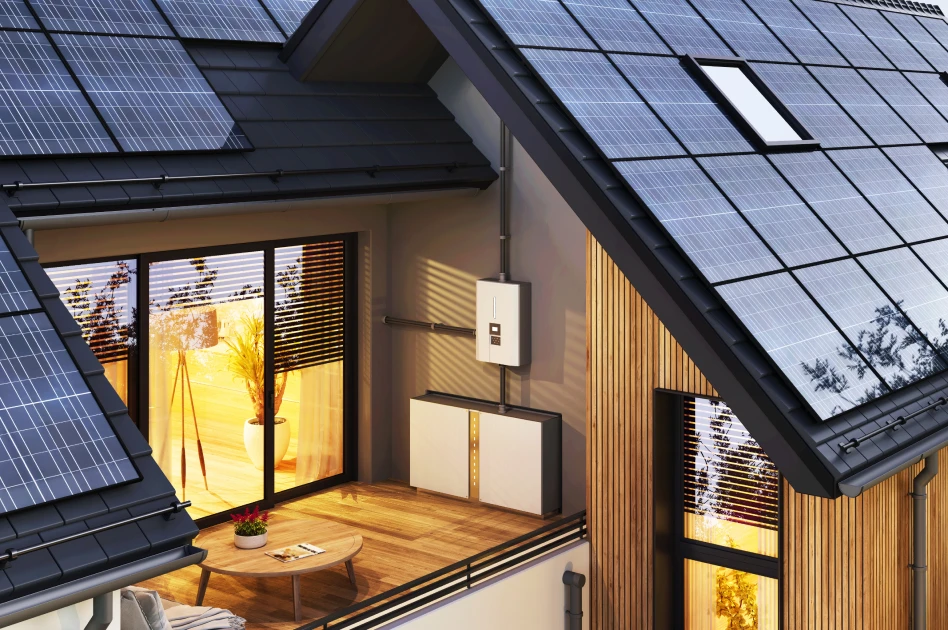
Home Energy Rating for Existing Homes
The Australian Government's Home Energy Rating initiative provides information to help homeowners, landlords, renters, and industry professionals understand and improve the energy performance of existing homes.
A Home Energy Rating can help identify practical upgrade options, improve thermal comfort, and reduce the energy required to heat and cool a home. The Home Energy Rating website includes information and resources that may assist real estate professionals when discussing home energy performance with clients.
For detailed information, please visit the Home Energy Rating website.
Key resources include: